
The Print Field / Essay 44
Tobacco on a 1574 Title Page
The 1574 woodcut of a tobacco plant appears on a title page in Nicolás Monardes's *Historia medicinal*. The file record identifies it as a plant illustration and…
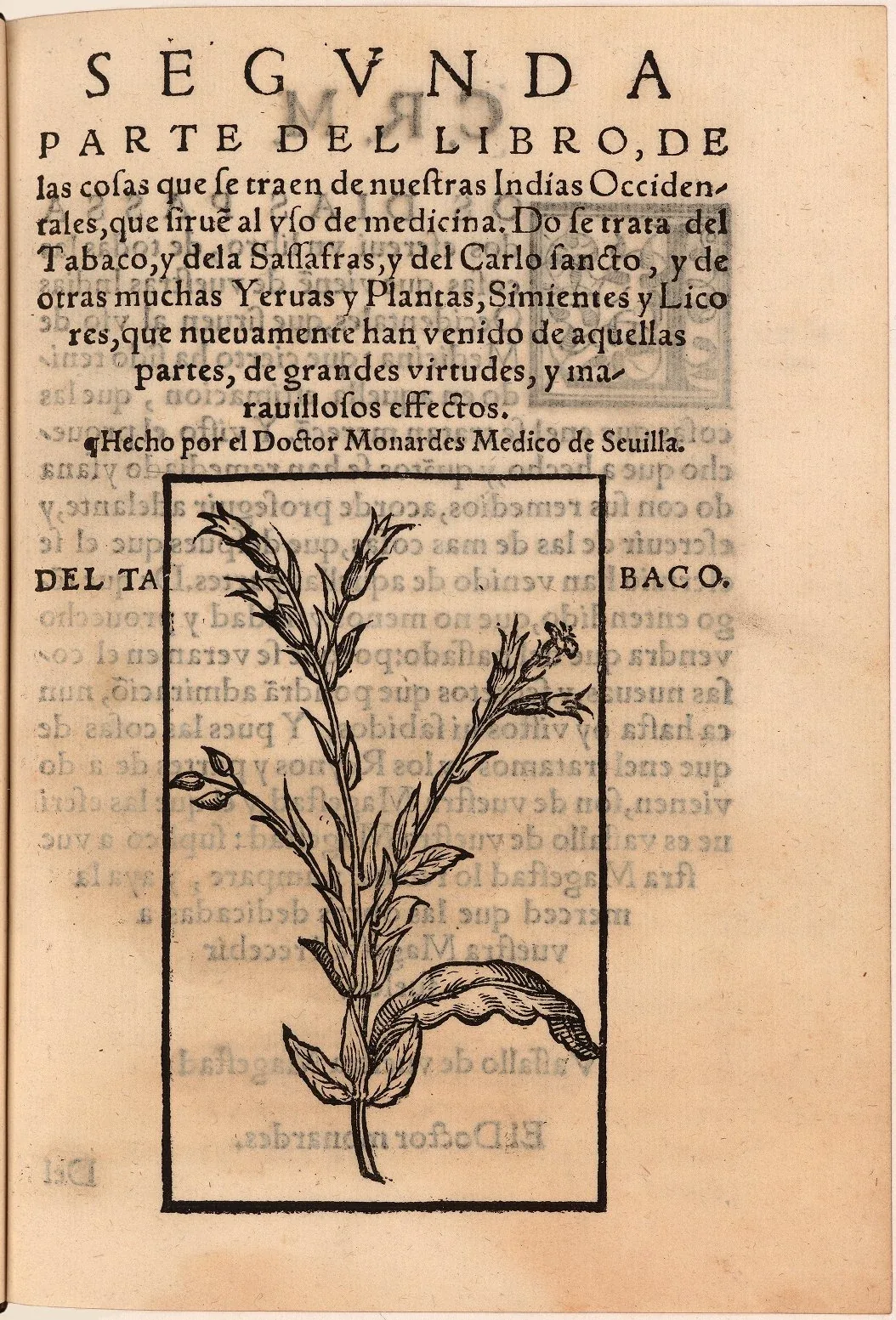
A plant on a title page
The 1574 woodcut of a tobacco plant appears on a title page in Nicolás Monardes's Historia medicinal. The file record identifies it as a plant illustration and connects the image to the book's Seville edition. A title page is usually asked to identify a book, its author, and its publication. Here, a botanical image also participates in that introduction. It signals that the volume concerns materials and knowledge associated with the Americas, while the printed words frame how readers are invited to approach them.
The University of Notre Dame's rare-book exhibit describes Monardes's work as a medical history of products brought from the Indies. Its account notes that the author had not traveled there himself; he worked from goods reaching Seville and the information accompanying them. Tobacco appears within that history as a plant discussed for its attributed medicinal properties. That is a statement about the book's contents, not a modern evaluation of tobacco's health effects.
The image and the book make different claims
A woodcut can make a plant recognizable through repeated lines and a strong silhouette. It does not identify the plant by itself unless the image is labeled or compared with another source. The title page and text supply names and context; the woodcut gives readers a visual form. Together they help a printed book introduce a subject that many readers may never have encountered in person.
In a relief cut, the artist carves away areas that should remain blank and leaves raised areas to print. A woodcut can be composed alongside type in a page forme. Its repeated impressions offer a stable image across copies, although paper, ink, and pressure can alter individual sheets. The specific artist or workshop responsible for this title-page image is not identified in the cited file record, so the article does not attribute the carving to Monardes personally.
A book assembled across places
The work's path connects the Americas, Seville, and readers elsewhere in Europe. Notre Dame's exhibit says that Monardes did not visit the Indies; products arriving in Seville helped make his project possible. The title page's plant image can therefore be read as part of a broader process of translation: physical materials and reports become descriptions, those descriptions enter a book, and the book carries a visual record to distant readers.
That process was shaped by unequal colonial relationships. A printed European account may preserve observations while also re-framing knowledge through the author's categories and purposes. The evidence available from the image and exhibition does not identify every Indigenous or local source behind a particular plant description. A responsible article can name the asymmetry and point out the documentation gap without inventing an attribution.
“Medicinal” is a historical label
The book's title uses “medicinal” to describe the subject matter. In sixteenth-century medical writing, a discussion of a plant's uses reflects the knowledge and claims of its time. It should not be translated directly into modern clinical guidance. Historical accounts can be valuable sources for trade, classification, and the history of medicine, even where their therapeutic claims would not meet current standards of evidence.
Tobacco is also a plant with significant contemporary health consequences, but those questions belong to modern medical sources and public-health authorities. This article examines a woodcut and a historical text; it does not reproduce the old book's medical claims as advice. The distinction protects the reader from mistaking historical description for endorsement.
The title page as a designed argument
Images on title pages can shape expectations before the main text begins. A plant cut can make an unfamiliar subject visible, give a volume a recognizable motif, and encourage a reader to connect text with natural history. Typography, ornaments, and image all share the printed sheet. The page works as a compact interface to the book: it announces a topic and organizes the first encounter.
The exact production details are not all known from the source record. We do not know the printmaker's name, the block's dimensions, or whether the same block appeared in another edition. The full digitized book may offer additional evidence about the page and its surrounding text. These limits should remain visible when describing the image as a historical artifact.
A title-page image frames the question before the chapter answers it
A tobacco image on a title page does different work from an illustration positioned beside a detailed description. At the threshold of the volume, the plant helps announce a field of inquiry and makes an unfamiliar subject visible before a reader reaches the argument about it. Within a chapter, an image might be examined against particular statements. Moving between those positions changes the reader's task even if the represented plant remains the same.
This distinction prevents the illustration from being treated as a self-contained endorsement. The historical word medicinal describes the book's organizing claims; the plant image makes one subject recognizable. Neither supplies modern evidence about health effects. Nor does a familiar image identify the person who carved its block. Attribution to the book's author and attribution to an image maker remain different records.
The productive comparison is therefore between the promise made at the entrance and the information supplied inside. What does the title page lead a reader to expect, and what would a particular chapter need to establish? Answering the second question requires reading the text, not extracting certainty from the picture. This article's contribution is to locate the woodcut within that designed sequence of encounter. It explains why a cropped botanical image can lose an important part of its function: on the original page, the plant was not merely an object to identify but part of the volume's introduction to its prospective readers.
Further reading
Sources & records
Linked records provide object descriptions and historical context. Comparisons, close readings, and explicitly hypothetical examples are editorial analysis. This essay was revised on 22 October 2026; it does not report first-hand workshop research. The image source and license appear in its caption.
Robert Bryden’s Carlyle Woodcut
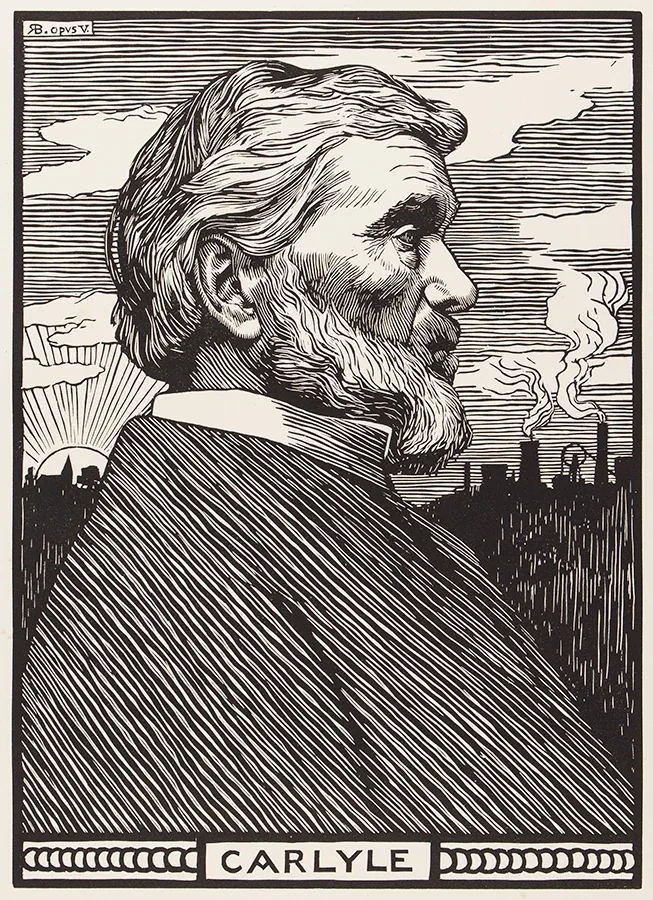
The file record identifies this image as Robert Bryden's woodcut of Thomas Carlyle, made for *Some Woodcuts of Men of Letters of the Nineteenth Century*. The file…
5 min read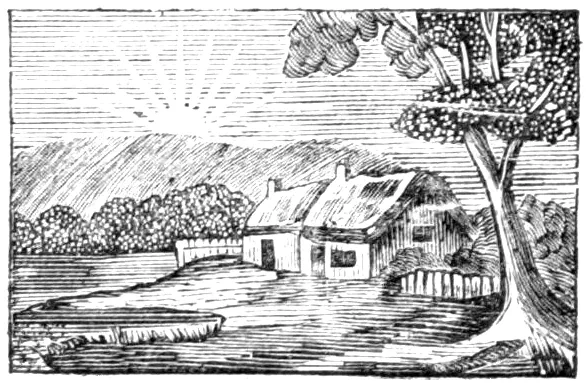
Popular Irish Stories: A Glasgow Chapbook
*Popular Irish Stories* appeared in Glasgow in 1850 as number 23 in a “New and Improved Series.” The National Library of Ireland catalogue describes it as a 24-page…
5 min read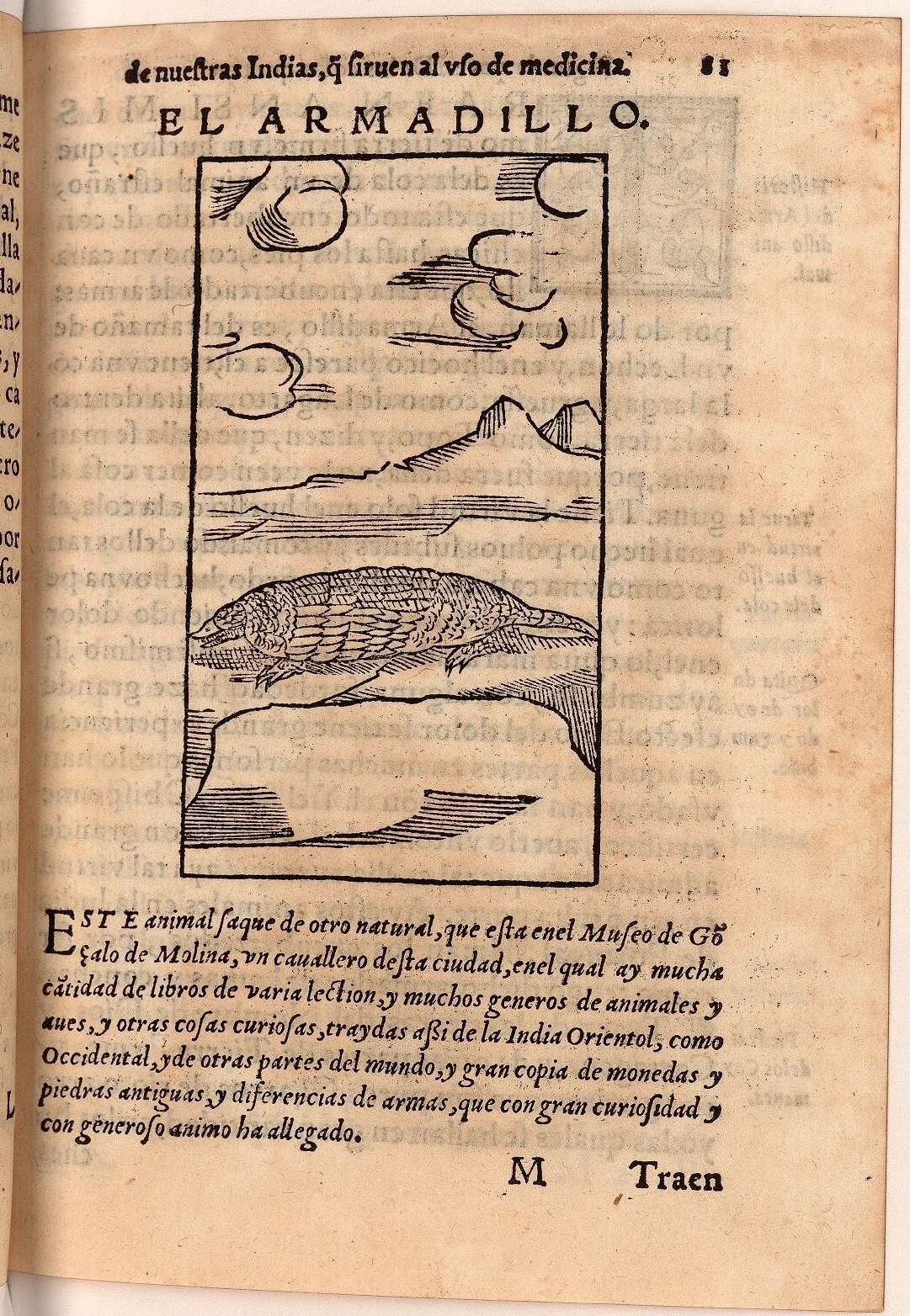
Monardes’s Armadillo Woodcut
The Commons record identifies this image as a woodcut illustration of an armadillo from Nicolás Monardes's 1574 *Historia medicinal*. The illustration belongs to a…
5 min read