
The Print Field / Essay 47
The Title Vignette of Beauties of Glasgow
The title-page woodcut comes from an 1802 edition of *Beauties of Glasgow*. The National Library of Scotland's digitized copy identifies the book and preserves the…
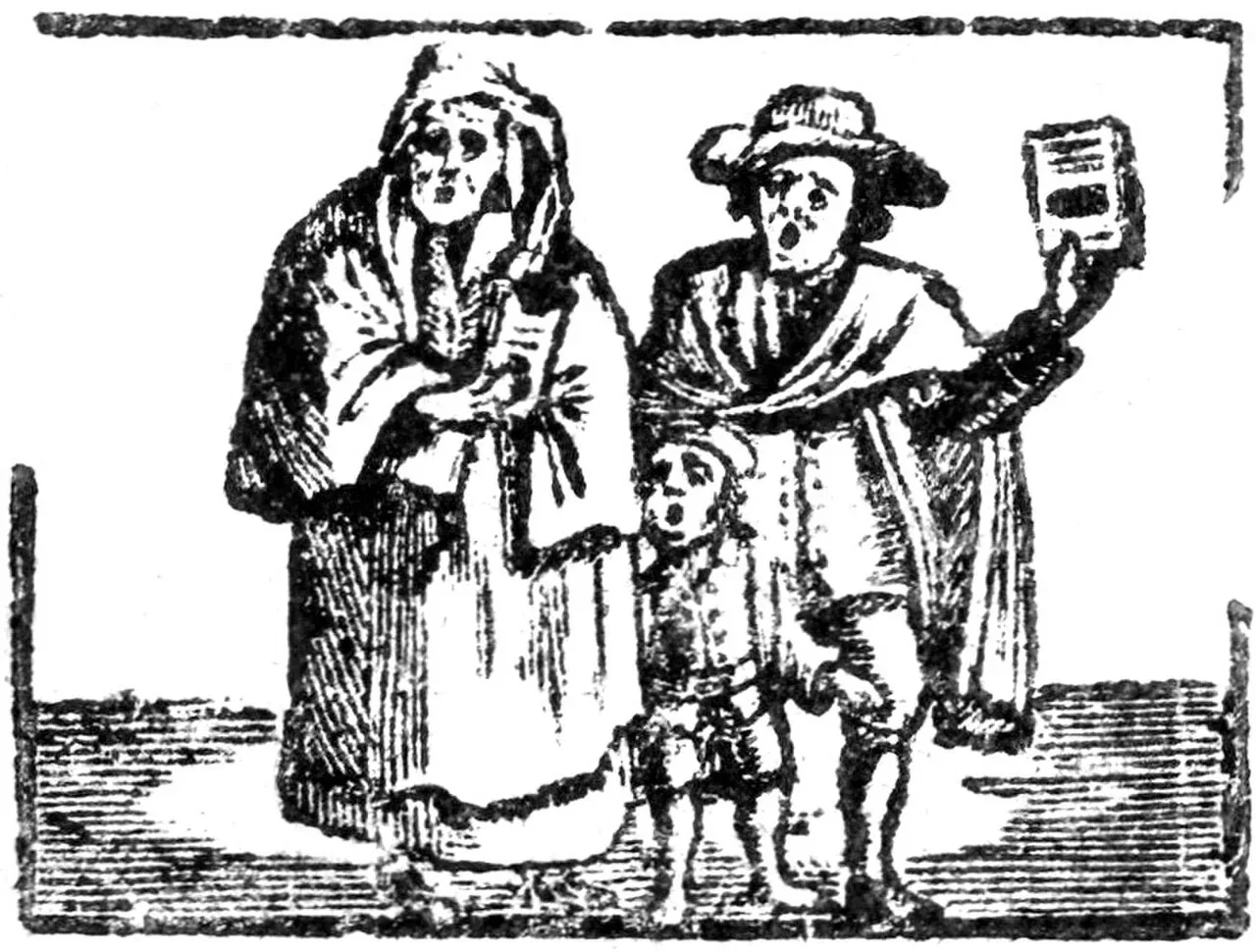
A woodcut introduces a Glasgow book
The title-page woodcut comes from an 1802 edition of Beauties of Glasgow. The National Library of Scotland's digitized copy identifies the book and preserves the page from which the image was taken. The Commons file record credits the artist as unknown and links directly to the NLS scan. The work is not just an isolated ornament: it is a small image printed on the threshold of a book, sharing space with the title and other publishing details.
The full title page identifies Beauties of Glasgow and announces additional material. A woodcut vignette can attract attention and distinguish one chapbook or small book from another. Its placement helps make the page recognizable even when the reader has not yet opened the volume. In a printed book, text and image work together: words tell the reader what the publication is, while the block supplies a repeatable visual mark.
The title page belongs to the book
The NLS scan is the most useful source because it places the vignette back within the page. The woodcut and typography share margins and hierarchy. Cropping the image for an article cover isolates the picture but can make it seem like a standalone print. The linked source restores its original function and allows readers to inspect the surrounding type and wording.
Woodcut is a relief process: the raised surface receives ink, while carved areas remain blank. A small block can be printed alongside lines of movable type if its height and arrangement are suitable for the page. The exact workshop, block dimensions, and order of printing are not identified in the available record. We can describe the image as a woodcut from the title page, but should not name an artist or printer without evidence.
“Beauties” is an editorial promise
The title presents Glasgow as a subject worthy of collection and description. The word “beauties” promises selected scenes or features rather than a neutral, exhaustive survey. That framing is part of the publication's design. It tells readers to expect a curated view of the city, one shaped by the compiler and printer.
The title itself does not reveal which streets, buildings, or customs the book includes. To answer that, one needs the full text and illustrations. A single vignette cannot stand in for all of Glasgow, and it should not be treated as an accurate map or documentary record. It is a small component of a book that frames the city for readers through its selection of content and imagery.
The date 1802 belongs to this edition as described by the NLS source. The scan preserves a historical printed page, but the Commons derivative is a later digital file. Those dates are separate. The book's age and the file's upload history should not be confused, and the digital reproduction should be credited to the scanned source rather than treated as an original photographic artifact.
Small woodcuts carried practical value
Woodcut illustrations were useful in printed matter because a carved block could be reused for multiple impressions. A publisher could place a small picture alongside type and repeat the design across copies. Reuse did not require every image to be unique. A block might serve as a familiar ornament or help distinguish a title, but the specific history of this vignette is not documented in the cited page.
Chapbooks and inexpensive publications circulated through booksellers, and their title pages had to communicate quickly. An image could make a book visually distinct in a stack. The NLS scan can show whether the vignette is decorative or connected to the subject, but the source information does not identify the original artist. “Artist unknown” is not a defect in the record; it is the accurate description of what the evidence currently supports.
Reading image and type together
Look at the size of the vignette relative to the words. Does it dominate, or does it sit as an emblem above the title? Notice whether decorative rules, ornaments, or spacing help separate the information. These features turn a title page into a designed composition rather than a plain label.
Then compare the woodcut with the page's language. The title makes a promise about Glasgow; the text identifies the publication and its additions. The image may suggest a place or theme, but it does not establish a particular landmark unless the visual details are clear and supported by the book. Close reading keeps observation separate from guesswork.
Crop the picture in thought, then restore the page
The vignette changes function when it is separated from the title page. Alone, it invites identification as a small historical picture. Restored to the book, it participates in an arrangement of words, margins, and publication details. The comparison explains why an article cover is a useful entrance but an incomplete substitute for the source: the crop makes the image prominent by removing the relationships that originally helped give it a job.
The title Beauties of Glasgow provides an editorial frame, but its wording does not establish what every illustration or passage contains. A reader needs the scanned page and volume to test that promise. The small image could attract attention, provide decoration, or establish an association; its exact relation to a named city feature should not be supplied from a plausible guess. This article treats the vignette's placement, rather than an invented landmark identification, as the dependable starting point.
There are consequently two histories of reuse to keep apart. A woodblock could have been used on multiple printed pages, but that would require comparison among physical or digitized editions. The present digital crop has demonstrably moved from a scanned book to an image file and this publication. One history concerns a printing tool; the other concerns a reproduction. Distinguishing them gives the small vignette a substantive subject of its own: how isolating a detail can make it easier to see while making its original role harder to understand.
Further reading
Sources & records
Linked records provide object descriptions and historical context. Comparisons, close readings, and explicitly hypothetical examples are editorial analysis. This essay was revised on 22 October 2026; it does not report first-hand workshop research. The image source and license appear in its caption.
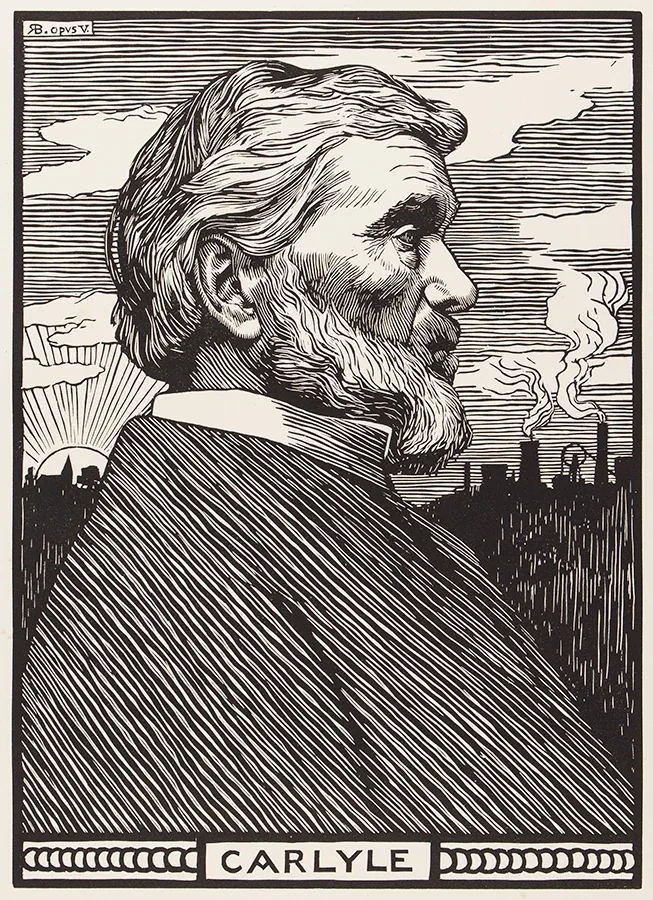
Robert Bryden’s Carlyle Woodcut
The file record identifies this image as Robert Bryden's woodcut of Thomas Carlyle, made for *Some Woodcuts of Men of Letters of the Nineteenth Century*. The file…
5 min read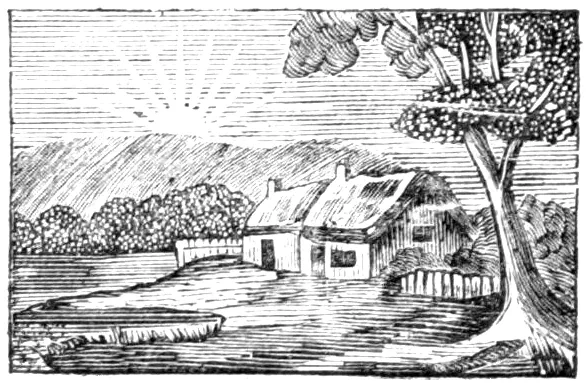
Popular Irish Stories: A Glasgow Chapbook
*Popular Irish Stories* appeared in Glasgow in 1850 as number 23 in a “New and Improved Series.” The National Library of Ireland catalogue describes it as a 24-page…
5 min read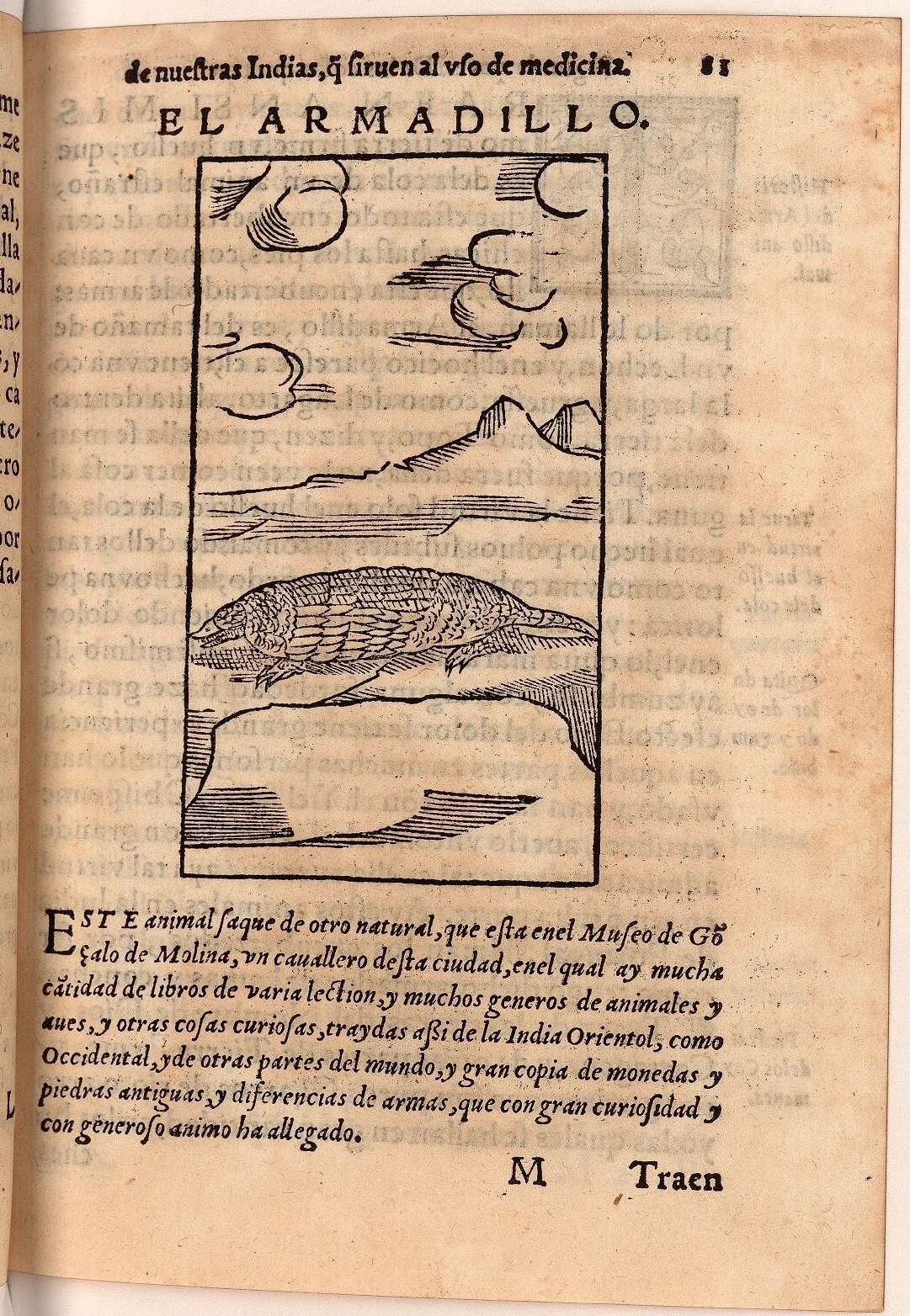
Monardes’s Armadillo Woodcut
The Commons record identifies this image as a woodcut illustration of an armadillo from Nicolás Monardes's 1574 *Historia medicinal*. The illustration belongs to a…
5 min read